PORTFOLIO

SERVICES

CONTACT

LET'S TALK
//FOR FOUNDERS

We Design WEBSITES
WORTH BETTING ON

Branding and websites designed specifically for startups preparing to raise, launch, or scale.

schedule 15-min
//ABOUT US
At THE AC, we help startups look like the category leaders they’re building to become.
WE SPECIALIZE IN STRATEGIC BRAND DESIGN AND HIGH-IMPACT 2D/3D WEBSITES DESIGNED TO IMPRESS INVESTORS AND MAKE YOUR VISION UNDENIABLE

ALONSO-CUBILLAS

branding

3D WEBSITE

IMMERSIVE
ALQIMUNAY

branding

2D WEBSITE

VIDEO

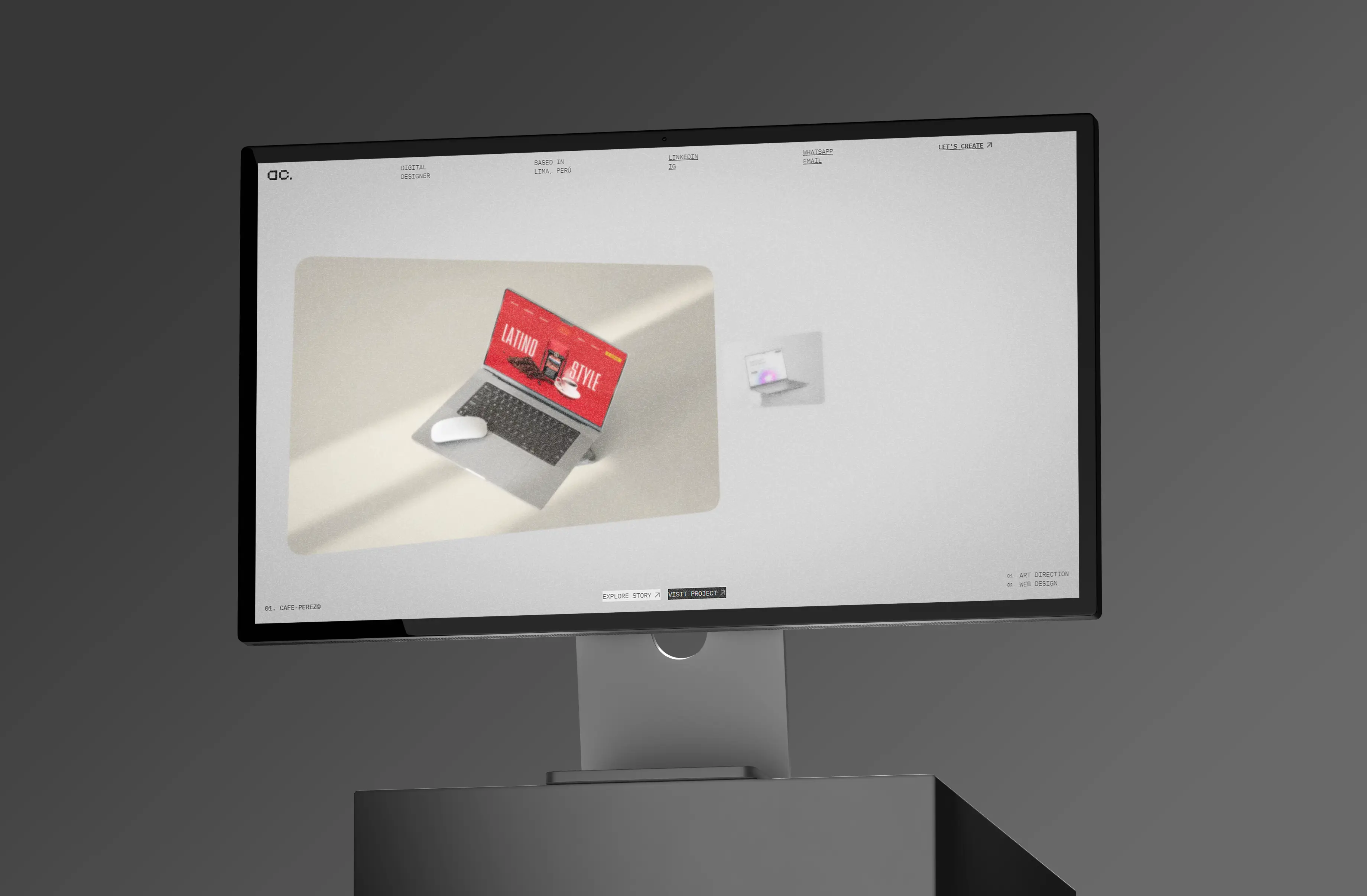
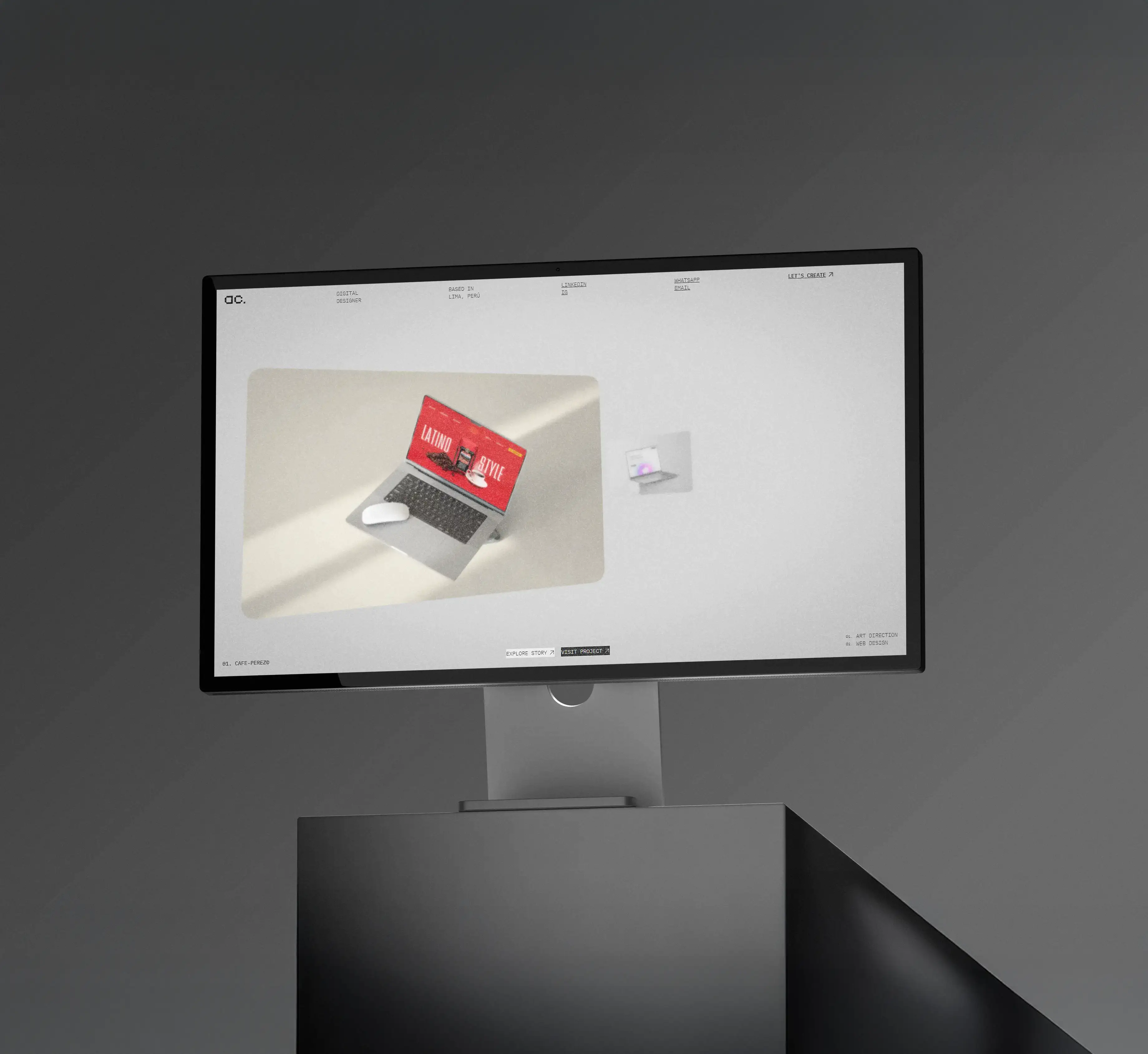
CAFE-PEREZ

branding

2D WEBSITE

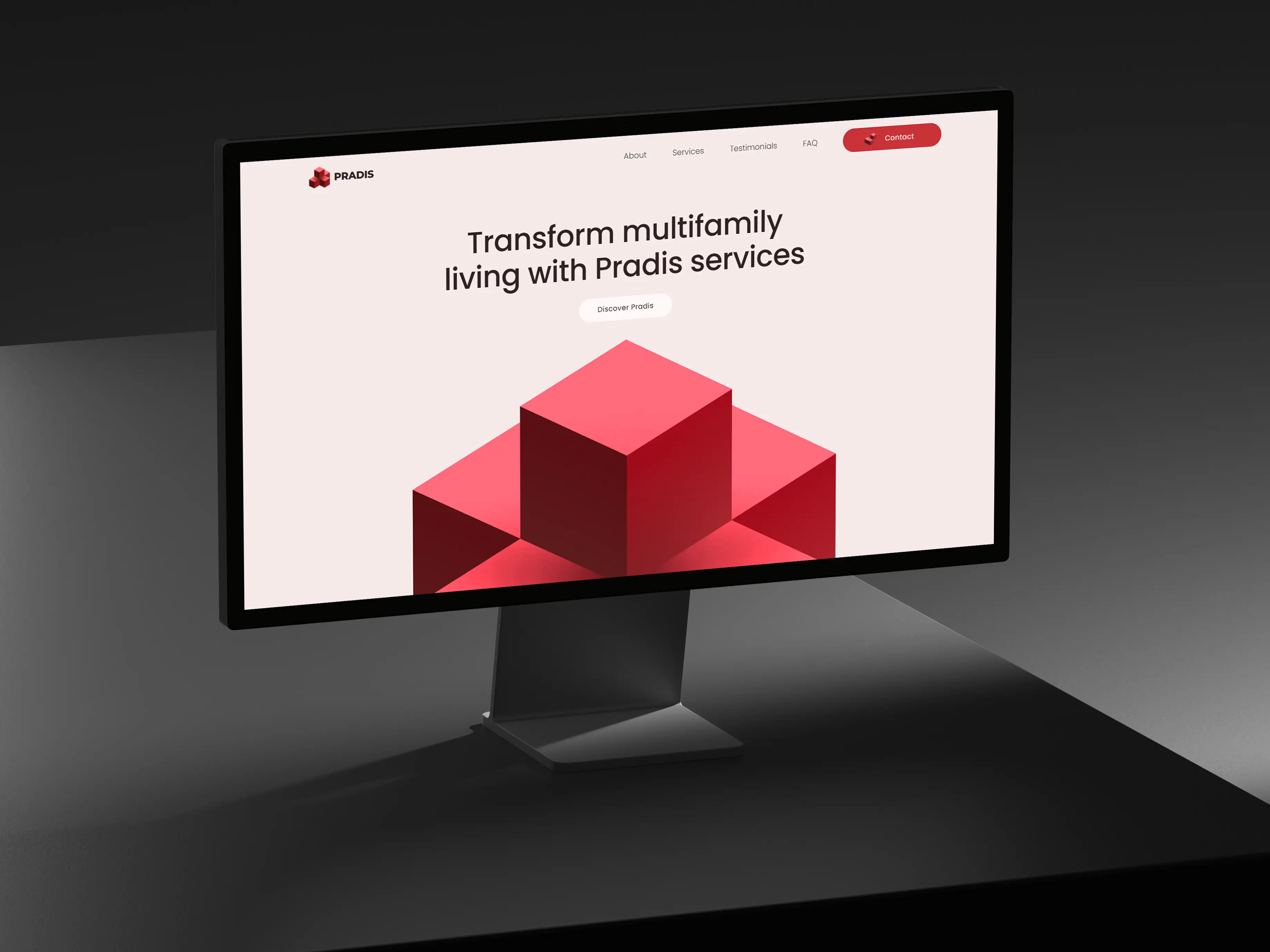
PRADIS

branding

3D WEBSITE

MINDAIDE

branding

UI/UX

BIDDLE-VERWEY

branding

2D WEBSITE

ENDURE PR

branding

2D WEBSITE

ANIMATION

//THE VALUE

BUILT TO IMPRESS THE PEOPLE THAT MATTER.

The cost of looking fundable is a fraction of what you're trying to raise. The cost of not looking fundable is the whole round.

WEBSITE
starting at
5990$
2D/3D Visual Design
Investor-ready narrative structure
Motion & scroll experience
Mobile optimized
Webflow DEVELOPMENT
get started
BRANDING
starting at
3990$

Logo & visual identity

Color system & typography

Brand guidelines

Social media kit

Pitch-ready assets

get started
BUNDLE
starting at
8650$

Everything in Websites

Everything in Branding

Brand + web visual consistency

Priority delivery

MORE UPCOMING FEATURES

get started
You only get one first impression. Make sure yours is doing the work.
schedule 15-min
//FOR FOUNDERS

Let's build something worth betting on

schedule 15-min
© 2025. THE AC AGENCY. ALL RIGHTS RESERVED
INSTAGRAM
LINKEDIN
HELLO@THE-AC-STUDIO.COM
+51 922 244 514
Artwork by Joseph Feely
The Mongols, led by Batu Khan and guided by the seasoned general Subutai, launched a campaign that would change Europe forever. Their invasion was not a chaotic raid but a meticulously planned military strike. The Mongols used intelligence networks to study Europe’s geography, politics, and military weaknesses long before their armies appeared.

While Europe’s kingdoms were bogged down by internal conflicts and rivalries, the Mongols moved with ruthless efficiency. They saw Europe as merely another theatre in their grand strategy of world domination, and by 1241, they were ready to strike.

Artwork by Joseph Feely
The Mongol war machine was built on discipline and speed, honed through years of conquest. Unlike the heavily armored knights of Europe, Mongol warriors wore lightweight armor, often made of silk and leather, which allowed them to move quickly and strike with agility.

The key to their success lay in their mobility—each soldier had multiple horses, allowing them to travel hundreds of miles at a pace unimaginable to European forces.

They communicated with smoke signals, flags, and messengers, coordinating their attacks with precision. In March 1241, Mongol vanguards advanced into Europe, using reconnaissance and stealth to outmaneuver their enemies.

Artwork by Joseph Feely
On April 9, 1241, at Legnica, the Polish nobility and their allies gathered for a decisive battle. What they faced, however, was unlike any enemy they had ever fought. The Mongols unleashed a combination of psychological and military warfare, using smoke bombs, arrows, and terrifying war cries to break enemy morale. Their tactical brilliance lay in their ability to fragment the enemy ranks and swiftly cut them down.

In Hungary, just days later, at the Battle of Mohi (April 11), the Mongols used river crossings and surprise flanking maneuvers to trap King Béla IV’s forces, leading to the massacre of thousands. Both kingdoms were left devastated, their defenses shattered.
Artwork by Joseph Feely
Europe’s salvation came not through military might but a twist of fate. In December 1241, just as the Mongols were poised to press further into Europe, news arrived that the Great Khan Ögedei, Genghis Khan’s successor, had died. Mongol law required all princes to return to Mongolia for the selection of a new Khan. Batu Khan, reluctantly withdrawing his forces, obeyed the call.

Had Ögedei lived just a few months longer, the Mongol conquest might have stretched deep into Germany and beyond, forever altering the shape of Europe. The Mongols withdrew, leaving behind a continent in ruins but untouched by further devastation.
Artwork by Joseph Feely
Though the Mongols retreated, their impact on Europe was profound. Tales of their cruelty spread like wildfire, and many believed they would return. Some Europeans sought to understand their attackers, leading to the first European diplomatic missions to the Mongol court.

The invasion also opened new trade routes, as the Mongols controlled the Silk Road, connecting East and West. European warfare evolved, as knights began adopting new tactics to defend against mobile enemies. The Mongol invasion left Europe more interconnected with the East, reshaping both trade and diplomacy for centuries to come.
0%